
Things to Do in Windhoek in November
November weather, activities, events & insider tips
Low Season · Budget Friendly
November Weather in Windhoek
Long-run averages for November
85°F (29°C)
High Temp
60°F (15°C)
Low Temp
1.1 inches (28 mm)
Rainfall
34%
Humidity
3
Rainy Days
14
Sunny-Day UV
⚠ Afternoon thunderstorms in November can produce intense lightning across the central plateau. Windhoek's elevated, open terrain offers little natural shelter. If you are hiking, on a game drive in open country, or standing on an exposed ridgeline and see clouds building rapidly from the east, descend and seek hard shelter before the storm arrives. Lightning fatalities in Namibia peak during the early wet season.
⚠ UV intensity at 1,700 m (5,577 ft) altitude is severe. The clear dry air provides less atmospheric filtering than coastal or low-altitude destinations. Unprotected skin can burn within 20 to 30 minutes during midday hours even on partly cloudy days. Cover up. Reapply sunscreen aggressively. Avoid prolonged midday exposure without shade.
Is November Right for You?
Weigh the advantages and considerations before booking
Advantages
- + The landscape transforms almost overnight once November's first rains crack the parched earth around Windhoek. The bushveld on the central plateau flushes green against red laterite soil. The contrast under enormous cumulonimbus clouds building through the afternoon is the most photogenic version of the Namibian highlands all year. Photographers who time their trips for this shift come back with images the dry-season crowd simply cannot get.
- + Peak safari season ended in October. The convoys of 4x4s that lined up at Etosha's waterholes from July through September have thinned out considerably. Accommodation across the country tends to be easier to book and more moderately priced. You will share viewpoints at Sossusvlei's Dune 45 or the rim of the Fish River Canyon with a handful of people rather than a crowd.
- + For travelers from the Northern Hemisphere accustomed to November meaning winter, Windhoek flips the expectation entirely. This is the Southern Hemisphere's late spring. The city sits at 1,700 m (5,577 ft) on the central plateau where the dry heat feels manageable rather than oppressive. Mornings are warm and clear. Humidity sits at only 34%. Evenings cool to 15°C (60°F), making outdoor walks and alfresco dinners a real pleasure rather than an endurance test.
- + Migratory bird species flood back to the central plateau in November. Even Windhoek's suburban gardens and the manicured lawns of the Parliament Gardens at the Tintenpalast come alive with European bee-eaters, lilac-breasted rollers, and carmine bee-eaters. Head north to Etosha or the Waterberg Plateau. The birding ranks among the best on the continent for these few weeks.
Considerations
- − Afternoon thunderstorms roll in on roughly three days of the month, typically between 2 PM and 5 PM. When they hit they hit hard. Lightning cracks across the plateau. Wind picks up dust. Brief downpours can turn gravel roads slippery within minutes. If your schedule has no flex for afternoon weather delays, you will feel the pinch.
- − Game animals begin dispersing from concentrated dry-season waterholes as the first rain pools form in the bush. Wildlife sightings at Etosha and other reserves become slightly less predictable than in August or September. You will still see elephants, springbok, and zebra. You might work harder for the same lion sighting the dry-season visitors photograph from their cars.
- − A handful of remote lodges and camps in the far north and Caprivi Strip may still be reopening after their late-October seasonal maintenance. Not every route is fully operational in the first week of November. Confirm availability and road conditions before committing to a self-drive itinerary through remote areas.
Best Activities in November
Top things to do during your visit
The first rains arrive in Windhoek like a rumour. After months of bone-dry winter, June through September without a single measurable drop, November brings scattered afternoon thunderstorms that roll across the Khomas Highland and break the city's long thirst. Average highs reach 29°C, and the air, which spent August and September at a parched 19% humidity, climbs to a more forgiving 34%. Mornings dawn cool at around 15°C, sharp enough to warrant a light layer on the balcony of a Klein Windhoek guesthouse. But by midday the sun hammers the corrugated rooftops of Katutura and the German colonial facades along Independence Avenue with equal force. The light is extraordinary, that pale, high-altitude clarity that makes the Auas Mountains south of the city look close enough to touch, their flanks greening almost visibly as the rain coaxes dormant grasses to life. November sits at the hinge of Windhoek's year. The city sheds its austral-winter quiet without yet reaching the sodden depths of the January wet season, when rainfall triples to 79 millimetres. Restaurants along Joe's Beerhouse stretch and the courtyard cafés of the Namibia Craft Centre fill earlier in the evening, diners lingering under skies that shift from copper to indigo as storm cells drift east toward the Kalahari. For travellers using Windhoek as a launchpad, and nearly everyone does, since the capital is the country's only international gateway, November has a window where safari lodges are not yet at peak-season capacity, the Skeleton Coast is accessible, and the pans of Etosha are beginning to draw herds toward shrinking waterholes. The city itself rewards a day or two: the ink-and-ochre collection at the National Art Gallery of Namibia, the sulfurous tang of kapana sizzling on open grills at the Single Quarters market, the echo of hymns from the Christuskirche floating down to the Parliament Gardens on a Sunday morning. Windhoek is small enough to walk in a morning. But its restaurants, from the smoke-scented game steaks at The Stellenbosch to the Ethiopian injera joints along Tal Street, repay an unhurried evening. Whether Windhoek is worth the visit beyond a transit stop depends on what you make of its position. The capital is the only realistic hub for multiday expeditions into Namibia's interior, and November's transitional weather, warm, mostly dry, punctuated by theatrical late-afternoon storms, makes it the last comfortable month to attempt long self-drive routes before the heavy rains of January and February turn gravel roads into red slurry. Nightlife is modest but genuine: a handful of bars in the Warehouse District along Tal Street where Windhoek Lager flows cold and the crowd is a mix of safari guides on leave, NGO workers, and university students. Safety in Windhoek follows the pattern of most southern African capitals, the central business district and suburbs like Klein Windhoek and Eros are comfortable on foot by day. But locals take taxis after dark and avoid unlit stretches of Independence Avenue. The city is not a place you linger for weeks. But it is more than a refuelling stop, and in November it is at its most alive.

9 Day Etosha, Skeleton Coast and Sossusvlei Camping and Lodge Safari
otherstitches together Namibia's three well-known landscapes in a single arc departing from Windhoek. You wake to the metallic dawn light of Etosha's salt pan, where November's early rains pull elephants and springbok toward the remaining waterholes in numbers that thin out by January. You fall asleep to the fog-horn moan of Cape fur seals on the Skeleton Coast, the air thick with salt and kelp. And you stand in the rust-red dune corridor of Sossusvlei before the sand heats past bearing. The mix of camping nights and lodge stays means you get both the crackle of a braai under the southern Milky Way and a proper shower the next evening.
Covers the full spectrum of Namibian terrain, pan, coast, desert, without requiring you to plan a single transfer or campsite booking yourself.
Insider tip: Request a window seat on the left side of the vehicle for the drive from Etosha's Anderson Gate southward, the afternoon light catches the calcrete ridges at an angle you will not see from the right.
This month: November's first rains begin greening Etosha's periphery, concentrating wildlife around the pan's central waterholes, a genuine advantage over the deep-green months of February and March when animals disperse across flooded grasslands.

10 DAYS BEAUTY OF NAMIBIA | Guided Lodge
guided_experienceis a lodge-only circuit that trades camping's grit for linen sheets and guided sundowners, covering Windhoek to the Waterberg Plateau, through Etosha, down the Skeleton Coast, into the Namib at Sossusvlei, and back. The guiding is what separates this from a self-drive: a Namibian naturalist who can identify a black-backed jackal's call at dusk, explain why the welwitschia you are standing beside may predate the Norman Conquest, and navigate the corrugated gravel between Khorixas and Twyfelfontein without flinching. Ten days is enough time to feel the country's scale without the hollow exhaustion of a forced march.
A complete, guided lodge circuit that removes every logistical friction while preserving the raw emptiness that makes Namibia unlike anywhere else on the continent.
Insider tip: Pack a headlamp with a red-light mode, white light at the Etosha waterhole floodlights spooks animals, and the guides will quietly thank you for knowing this.
This month: The Waterberg Plateau's sandstone cliffs turn a deeper terracotta after November's first rains, and the plateau's isolated ecosystem, home to sable antelope and white rhino reintroduced from South Africa, is active as grazers respond to new growth.

3 Days Safaris in Etosha | Guided Lodge
guided_experiencecompresses the Etosha experience into a sharp, focused expedition from Windhoek. Two nights inside the park, guided drives at dawn and dusk when the light is low and the animals are moving, and a midday pause at one of Etosha's floodlit waterholes, where you sit in a concrete hide and listen to the scrape of a rhino's horn against the limestone lip of the trough. The pan itself, a 4,800-square-kilometre expanse of pale, cracked clay, throws light back at you like a mirror, and the silence when the engine cuts is so absolute you can hear a jackal shift its weight at two hundred metres.
The most efficient way to experience Etosha from Windhoek, three days, guided, no self-navigation on unfamiliar gravel roads.
Insider tip: Bring binoculars rated at least 10x42, the shimmer off Etosha Pan in November's heat distorts images at distance, and cheap optics make it worse.
This month: November's sporadic rainfall creates shallow pools on the pan's edge that attract flamingos, both greater and lesser species, a spectacle absent during the dry months of June through October.

5 Days Swakopmund and Sossusvlei | Guided Lodge
guided_experienceroute runs from Windhoek west through the Namib to the Atlantic and back through the dune sea, covering two of Namibia's most disorienting landscapes. Swakopmund is where the Namib meets the cold Benguela Current, you smell the ocean before you see it, a briny chill that cuts through the desert heat like a blade. The town itself is an architectural oddity: half-timbered German Jugendstil buildings housing oyster bars and surf shops, fog rolling through the streets most mornings. Then south to Sossusvlei, where you climb Dune 45 in the half-dark and watch the shadow line creep down the apricot sand as the sun clears the eastern ridge.
Pairs the surreal fog-and-sand coastline of Swakopmund with the towering red dunes of Sossusvlei, two landscapes that feel like different planets, connected by a five-hour desert crossing.
Insider tip: At Sossusvlei, skip the crowded Big Daddy dune and walk the cracked white clay of Deadvlei instead, the blackened camelthorn skeletons against the orange dune backdrop photograph better in the flat midday light than in the golden hour, when everyone else arrives.

Private 11-Day Tour Self-Drive for Beginners Safari in Namibia
guided_experienceis designed for travellers who want the independence of a self-drive without the anxiety of navigating a country where fuel stations can be 300 kilometres apart and mobile signal vanishes for hours. The operator pre-books every lodge, maps every route onto a GPS unit loaded into your vehicle, and provides a satellite phone for emergencies, you drive, but you are never alone. The route covers Windhoek to Etosha, west to Damaraland's granite kopjes where desert-adapted elephants browse mopane scrub, south through the Namib, and back. Eleven days behind the wheel of a 4x4 on Namibia's empty gravel roads, the tyres crunching over quartz pebbles, the horizon so flat and distant it bends.
Gives first-time self-drivers in southern Africa a full Namibian circuit with a safety net, pre-planned routes, confirmed lodges, and emergency communication gear.
Insider tip: Carry two spare tyres, not one, the gravel between Palmwag and Twyfelfontein chews rubber, and the operator's recommendation of one spare is optimistic.
This month: November's rising temperatures push daytime driving comfort to its limit, the vehicle's air conditioning earns its keep on the long Damaraland stretches, and starting each driving day by seven avoids the worst midday heat on unshaded gravel roads.

10 Day Discover Namibia Small Group Safari
othercaps group size and gains intimacy for it, you are not lost in a twenty-seat overland truck but sharing a Land Cruiser with a handful of others, close enough to the guide to ask why the oryx you just passed was standing motionless facing into the wind. The itinerary runs from Windhoek through the Waterberg, Etosha, Damaraland's ancient rock engravings at Twyfelfontein, the Skeleton Coast, Swakopmund, and the Namib sand sea. Small-group dynamics mean the vehicle stops when someone spots something, a cheetah in the grass, a colony of sociable weavers building their enormous communal nest, rather than adhering to a rigid timetable set for a busload.
A small-group format that covers Namibia's full geographic range while keeping the experience personal enough for unscripted detours and quiet moments.
Insider tip: Sit at the back of the vehicle on the Skeleton Coast segment, the salt-crusted wind comes from the west, and the rear seats are sheltered while still offering unobstructed views of the seal colonies.
This month: The Skeleton Coast's fog belt, fed by the cold Benguela Current, persists year-round but is thinnest in November, meaning clearer coastal views and better photography conditions than during the dense winter fogs of June through August.
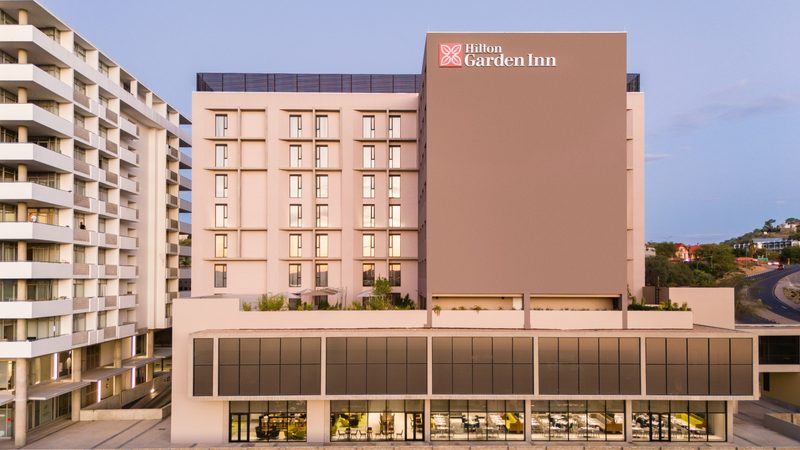
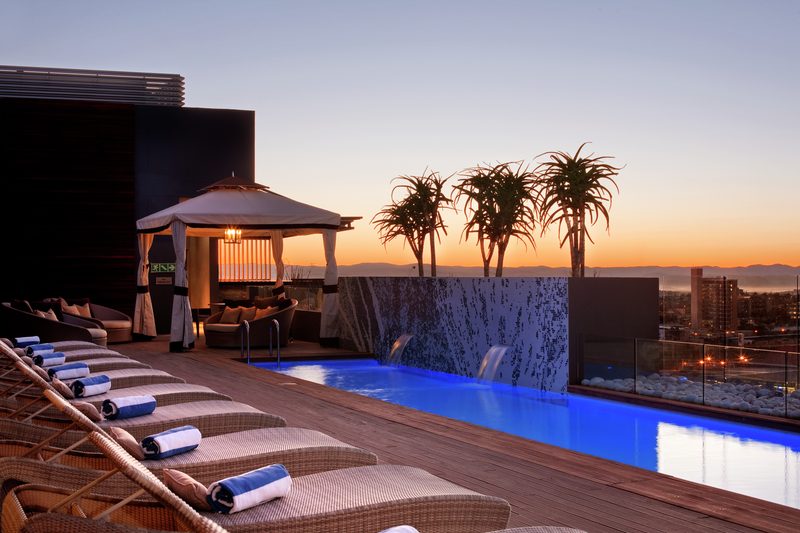
Where to Stay in Windhoek in November
Hand-picked hotels across price tiers for November travellers.
Packing Checklist
Bookmark this page — your progress is saved between visits
Need the full list with shopping links?
Climate-specific gear, brand recommendations, and what to leave at home.
View Windhoek Packing List →Essential Tips
Insider knowledge and common pitfalls to avoid
Insider Knowledge
Windhoek is safer than most comparably sized cities on the continent. But the basics matter. Walk the centre and Klein Windhoek freely during daylight. Take a taxi or arranged transfer after dark. Keep valuables out of sight in parked cars. The zone between the central business district and Katutura feels less predictable after sunset. Guided daytime township tours are the smarter call for visitors who want that experience.
Namibia's game-meat tradition deserves real attention. Kudu tastes lean and clean, somewhere between venison and good beef. Oryx is richer and carries a faint gamey edge. Springbok is tender and mild enough to convert skeptics on a first bite. Joe's Beerhouse on Nelson Mandela Avenue has been the landmark for this sort of eating for over three decades. The kapana stalls in Katutura's Single Quarters area, where vendors grill beef over oil-drum coals and dust it with proprietary chili-salt mixes, are the street-food encounter the standard guidebooks consistently undersell.
Windhoek's nightlife is compact but real. The strip of bars along Independence Avenue and the streets that branch off it is where Friday and Saturday nights concentrate. Klein Windhoek offers quieter wine-bar alternatives for those who prefer conversation to volume. Katutura has its own music scene, mostly kwaito and township jazz. Experience it with a local guide or on an organised evening tour. Do not go solo.
If you are using Windhoek as a launch point for safari circuits and day trips, stay in the city centre or Klein Windhoek for the best balance of restaurants, walkability, and transfer access to Hosea Kutako International Airport about 45 km (28 miles) east. Most safari operators pick up from centrally located accommodation. Book your room two to three weeks ahead in November. Not because availability is scarce. The best-located properties fill before the rest.
Avoid These Mistakes
Underestimating dehydration at altitude is common. Windhoek's 1,700 m (5,577 ft) elevation and 34% humidity mean your sweat evaporates before you notice it. By the time you feel thirsty you are already behind. Carry water on every outing. Drink before you feel parched. This matters most on game drives where hours can pass between stops with shade.
Scheduling outdoor activities in the afternoon without a backup plan is risky. November's thunderstorms tend to build between 2 PM and 5 PM. They clear quickly. But getting caught on an exposed dune crest or open plateau during a lightning storm is dangerous. Front-load hikes, game drives, and walking tours into the morning. Save museum visits, meals, and rest for the post-lunch window.
Expecting to walk everywhere in the city is a mistake. Windhoek's centre is compact enough for a half-day stroll. But the city sprawls across a wide valley. Destinations like Heroes' Acre about 10 km (6.2 miles) south, the Katutura markets, and nearby game reserves all require a vehicle. Rent a car if you are planning day trips. Pre-arrange transfers. Taxis do not appear on demand the way they might in larger cities.
Ready to plan your trip to Windhoek?
Now that you've got the research covered, here's where to go next.
Explore More Activities in Windhoek
Didn't see anything interesting yet?
Browse Viator's full catalog of tours, day trips, food experiences, and private guides in Windhoek.
See All Windhoek Tours on Viator