
Things to Do in Windhoek in August
August weather, activities, events & insider tips
High Season · Book Early
August Weather in Windhoek
Long-run averages for August
74°F (23°C)
High Temp
47°F (8°C)
Low Temp
0.0 inches (0 mm)
Rainfall
19%
Humidity
0
Rainy Days
8
Sunny-Day UV
⚠ Temperature swings of 15°C (27°F) between dawn and midday are standard. Early game drives before 9 AM demand genuine cold-weather layers. Afternoons feel warm in direct sun. Dress in removable layers. Otherwise, you suffer at one end of the day.
⚠ The 19% average humidity causes nosebleeds, cracked lips, and dehydration without obvious sweating. Drink well beyond thirst. Carry lip balm and moisturiser as daily essentials, not afterthoughts.
⚠ Dust haze from dry conditions can cut visibility on gravel roads outside Windhoek, on windy afternoons. Self-driving to Etosha or Sossusvlei? Allow extra following distance. Keep windows up on dusty stretches.
Is August Right for You?
Weigh the advantages and considerations before booking
Advantages
- + Zero rainfall and 19% humidity make August the driest, clearest month in Windhoek. The sky over the Khomas Highland turns a depthless cobalt blue that photographs like it has been retouched, and the absence of haze means you can see the Auas Mountains sharply defined from Independence Avenue on any given morning. Every outdoor plan you make will hold.
- + Peak dry season concentrates wildlife at waterholes across Namibia, and Windhoek sits at the hub of every major safari route. Etosha's pans dry to cracked white clay, and elephants, zebra, and gemsbok queue at the remaining springs in numbers you simply will not see during the wet months. Multi-day trips departing Windhoek tend to deliver their best game sightings in August.
- + Daytime temperatures hover around 23°C (74°F), which is comfortable walking weather without the punishing heat that hits Windhoek from November through March when highs push past 30°C (86°F). You can spend a full afternoon on foot between the Christuskirche, the Alte Feste, and the Independence Memorial Museum without wilting.
- + The 15°C (27°F) swing between morning and afternoon creates pleasant layering weather. Mornings start crisp enough that you want a jacket and coffee, afternoons warm enough for short sleeves. The low humidity means sweat evaporates instantly, so even midday sun at altitude feels manageable rather than oppressive.
Considerations
- − August is peak tourist season for Namibia, and Windhoek is the gateway city. Accommodation books up weeks in advance, prices for lodges and guesthouses in the Klein Windhoek and Eros neighborhoods climb noticeably, and popular multi-day safari departures to Etosha and Sossusvlei fill early. Spontaneous travel is harder this month than almost any other.
- − The 8°C (47°F) mornings catch first-timers off guard. Windhoek sits at roughly 1,700 m (5,577 ft) above sea level, and desert altitude amplifies the overnight chill. If your game drive leaves at 6 AM, you will be cold in a way that does not match anyone's mental image of Africa. Without proper layers you will be miserable for the first two hours of every early start.
- − Vegetation is at its most parched. The thorn trees are skeletal, the hillsides around the city are khaki-brown, and the landscape reads as stark rather than lush. If you came expecting green savanna, August will correct that expectation quickly. The trade-off is clearer game viewing. But the scenery itself has a severity to it that not everyone loves.
Best Activities in August
Top things to do during your visit
August strips Windhoek to its essentials. The rain stopped months ago and will not return until late November, so the air over Namibia's compact capital hangs at its driest point of the year, with humidity hovering near nineteen percent. Daytime temperatures climb to around 23°C, warm enough to walk the city's sloped streets in a single layer. But after sunset the thermometer drops sharply toward 8°C, and the chill that settles over Klein Windhoek and Eros carries the faintly mineral smell of dust cooling on sun-baked stone. The sky turns an almost absurd shade of cobalt each morning, unbroken by cloud, and stays that way until a peach-and-copper sunset silhouettes the Auas Mountains to the south. The city operates at a deliberate, unhurried pace in August. Locals linger over coffee and vetkoek at pavement tables along Independence Avenue, jackets zipped against the morning cold, the clatter of cups mixing with the low hum of Afrikaans and Oshiwambo. By midday the warmth draws people outdoors to the terraced cafes of the Hilton rooftop and the craft stalls at the Post Street Mall, where vendors lay out carved tagua-nut animals and Herero-doll keepsakes on rough linen cloths. Restaurants around Zoo Park serve Namibian game steaks, kudu and oryx with a dense, iron-rich chew that tastes nothing like farmed beef, alongside German-influenced schnitzel and dense rye bread left over from the colonial period. Nightlife concentrates in a handful of bars and lounges along Nelson Mandela Avenue and in the warehouse district near the Southern Industrial area, where craft-beer taprooms pour pale ales brewed with indigenous rooibos and buchu. Windhoek is safe to walk in the central districts during the day, though most locals take taxis after dark, and the compact layout means a visitor can cover the key neighborhoods, from the Christuskirche hilltop to the Katutura township markets, in a single afternoon. Accommodation ranges from guesthouses in the leafy avenues of Ludwigsdorf to larger properties near the Hosea Kutako International Airport road, and August occupancy tends to be firm because the dry season draws the highest concentration of international travelers. The real purpose of a night or two here, though, is to provision and orient yourself before heading into the landscape that defines Namibia, and the multi-day expeditions departing from the capital are where August travel earns its reputation.

9 Day Etosha, Skeleton Coast and Sossusvlei Camping and Lodge Safari
otherThe nine-day Etosha, Skeleton Coast, and Sossusvlei camping and lodge safari uses Windhoek as its launchpad for three of Namibia's most geologically distinct zones in a single arc. The route sweeps north to Etosha National Park, where August's bone-dry conditions concentrate elephants, black rhino, springbok, and lion around the few remaining waterholes, their reflections shimmering on the cracked white surface of the pan under a sky so vast it bends at the edges. From there the itinerary drops west to the Skeleton Coast, where frigid Benguela Current fog rolls over rusted shipwrecks half-buried in sand, the air tasting of salt and kelp, before turning south to the apricot-colored dunes of Sossusvlei, where the crunch of wind-sculpted gravel underfoot is the loudest sound for miles. The mix of camping nights and lodge stays keeps the journey grounded in the landscape without sacrificing a hot shower when you need one.
This is the single itinerary that connects Namibia's three signature landscapes, Etosha's game-rich pans, the fog-shrouded Skeleton Coast, and Sossusvlei's towering red dunes, in one continuous loop from Windhoek.
Insider tip: Pack a fleece balaclava for the Skeleton Coast leg. The Benguela fog rolls in well before dawn and the wind chill near the shore can feel twenty degrees colder than inland Windhoek, even in August.
This month: August's zero rainfall and 19% humidity mean Etosha's waterholes are among the most productive game-viewing sites on the continent, as animals have no alternative water sources and congregate in predictable, photographable clusters.

10 DAYS BEAUTY OF NAMIBIA | Guided Lodge
guided_experienceThe ten-day Beauty of Namibia guided lodge tour covers the country's full arc at a measured pace, spending enough nights in each region that the landscape stops being scenery and starts becoming familiar. Mornings in Etosha begin with the low, resonant grumble of elephants arriving at the floodlit waterhole before sunrise, their grey hides streaked with pale calcareous mud, while afternoons in the Namib desert bring the scratching whisper of sand grains driven across the slip face of a three-hundred-meter dune. Lodge accommodation throughout means crisp linen, warm dinners of potjiekos simmered over coals with the smoky sweetness of slow-braised root vegetables, and the chance to sit on a terrace at dusk watching the Milky Way resolve into a dense band that seems close enough to touch. Guides on this route tend to be Namibian-born naturalists who narrate not just the animals but the geology, the colonial scars, and the contemporary land-management debates that shape every park boundary.
Ten days in lodges with expert Namibian guides gives enough time to move past the postcard moments and understand how the desert, the savanna, and the coast function as a single interconnected ecosystem.
Insider tip: Ask your guide to schedule the Sossusvlei dune climb for the first morning rather than the last. Legs are fresher and the predawn cold makes the ascent far more tolerable than a midday attempt.
This month: August's dry conditions produce Namibia's clearest night skies of the year, with humidity at its annual low, making the star-viewing sessions included on several lodge stopovers exceptionally sharp.

6 Day Private Guided Accommodated Namibian Loop
private_tourThe six-day private guided Namibian loop compresses the country's contrasts into less than a week, running a tight circuit from Windhoek through the central highlands, out to the coast at Swakopmund, and back via the desert. Privacy means the vehicle stops when you want it to, a critical advantage when a cheetah materializes on a gravel plain or a colony of Cape fur seals fills a rocky headland with the barking, fishy chaos of ten thousand animals hauled out on granite. The accommodations are lodges and guesthouses chosen for location over luxury, and meals lean toward Namibian country cooking: thick lamb stews, roosterkoek bread baked over embers with a crackling crust, and dried biltong that carries the concentrated, peppery savor of game meat cured in the desert air. Six days is tight. But the private format eliminates the schedule padding that group tours build in for slower travelers.
This is the most efficient way to experience Namibia's desert, coast, and highland without the compromise of a group itinerary, with every stop tailored to your pace.
Insider tip: Request a route that includes the Spreetshoogte Pass rather than the faster tar road to Sossusvlei. The gravel switchbacks are dramatic, and the view from the top, an abrupt drop from plateau to desert floor, is one of Windhoek's best-kept day-drive secrets.

3 Days Safaris in Etosha | Guided Lodge
guided_experienceThe three-day Etosha guided lodge safari is the concentrated version for travelers who have limited time in Namibia but refuse to leave without seeing big game. Etosha in August is a stark, pale amphitheater: the pan itself stretches to the horizon as a flat white expanse that throws heat shimmer into the air even on a cool winter morning, and the surrounding mopane woodland buzzes with the dry-season calls of crimson-breasted shrikes and lilac-breasted rollers flashing turquoise and coral from bare branches. Game drives circle the waterholes where elephants, giraffe, zebra, and often lion drink within fifty meters of the vehicle, close enough to hear the wet, rhythmic pull of an elephant drawing water through its trunk. Lodges inside or adjacent to the park gate mean you spend less time on transfer roads and more time in the field.
Three days is enough to see Etosha's marquee species at close range in August, when the dry pan concentrates wildlife into the most accessible viewing conditions of the year.
Insider tip: Bring a beanbag or rolled towel to rest your camera lens on the vehicle window ledge. Tripods are prohibited outside the vehicle in the park, and the beanbag eliminates the hand shake that ruins long-lens shots in the flat midday light.
This month: August is peak dry season in Etosha, with zero rainfall recorded on average, which forces game to concentrate at permanent waterholes and makes wildlife sightings more frequent and predictable than at any other time of year.

5 Days Swakopmund and Sossusvlei | Guided Lodge
guided_experienceThe five-day Swakopmund and Sossusvlei guided lodge tour splits its time between the raw Atlantic edge of Namibia and the interior desert, two landscapes that look and feel like different planets. Swakopmund greets you with the cool, salt-laden bite of the Benguela Current wind and streets lined with Jugendstil architecture that could pass for a Baltic seaside town until you notice the sand drifting against the facades. The dunes at Sossusvlei, reached after a drive through the Namib-Naukluft Park, rise in curving ridges of oxidized iron-red sand that squeaks and shifts underfoot, and at dawn how shadow and light on their eastern and western faces creates a geometry so clean it looks engineered. Between these two anchors, the Kuiseb Canyon and the gravel plains offer a silence so total you can hear your own heartbeat. Lodge stays include dinners where oryx loin or Namibian oysters from Walvis Bay arrive still carrying the cold mineral tang of their origin.
Five days devoted to the coast and the deep desert lets you feel the temperature, light, and soundscape shift from Atlantic fog to inland stillness, a sensory contrast few itineraries deliver this sharply.
Insider tip: On the Sossusvlei morning, skip the crowd heading to Dune 45 and walk the longer trail to Big Daddy or the Dead Vlei clay pan behind it. The extra thirty minutes of effort delivers a landscape nearly empty of other visitors and the chalky white pan floor littered with blackened camelthorn trunks is the most photographed scene in Namibia for good reason.

Private 11-Day Tour Self-Drive for Beginners Safari in Namibia
guided_experienceThe eleven-day self-drive tour for beginners hands you the keys to Namibia's gravel highways with a curated route book, pre-booked lodges, and a twenty-four-hour support line, removing the logistical anxiety that keeps many first-timers from driving themselves through one of Africa's emptiest countries. The freedom is immediate: you can pull over when a herd of oryx crosses the road in single file against a backdrop of flat-topped acacia, their scimitar horns silhouetted against the pale winter sky, or linger at a roadside farm stall where a woman sells dried mopane worms with a smoky, nutty crunch that surprises anyone brave enough to try one. Eleven days is generous enough to include Etosha, the Damaraland rock engravings at Twyfelfontein, the coastal towns of Swakopmund and Walvis Bay, and the southern desert, with rest days built in so the driving never exceeds a few hours. Windhoek's car-rental agencies cluster near the airport road, and most provide a thorough briefing on gravel-road technique, tire pressures, and fuel-stop spacing before you leave the lot.
Self-driving Namibia in August, when roads are dry and visibility is limitless, is one of the great road trips on the continent, and this itinerary removes every barrier to doing it for the first time.
Insider tip: Top off your fuel tank at every station regardless of the gauge reading. Distances between pumps in the Damaraland and Skeleton Coast sections can exceed two hundred kilometers, and running dry on a gravel road with no cell signal turns an adventure into an ordeal.
This month: August's completely dry conditions mean gravel roads are at their firmest and most predictable, which is the safest scenario for drivers new to unpaved surfaces. The summer rains from November onward can turn the same roads into corrugated or waterlogged stretches that demand experienced technique.
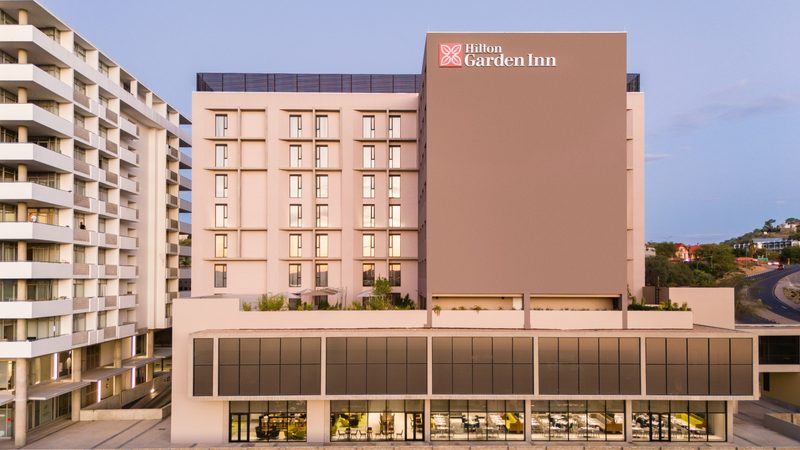
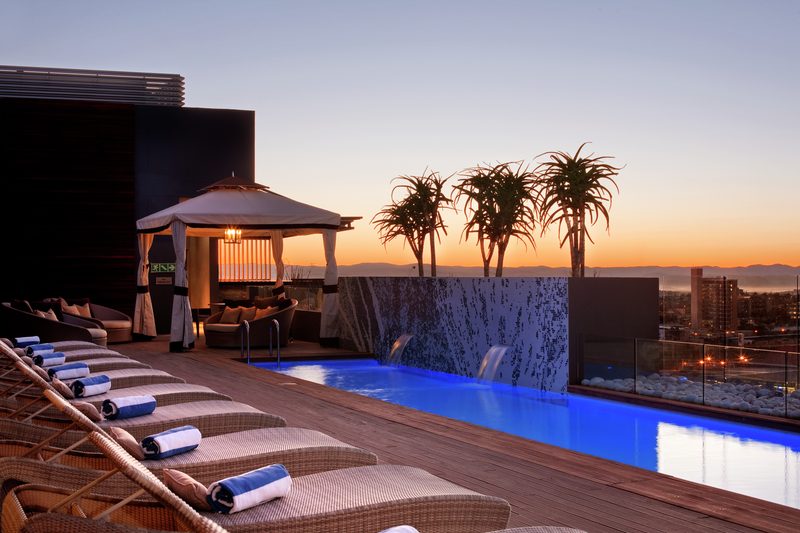
Where to Stay in Windhoek in August
Hand-picked hotels across price tiers for August travellers.
Public Holidays in August
Dates that affect opening hours, transport and crowds
Heroes' Day
Observed nationwide as a public holiday.
Heroes' Day
Observed nationwide as a public holiday.
Packing Checklist
Bookmark this page — your progress is saved between visits
Need the full list with shopping links?
Climate-specific gear, brand recommendations, and what to leave at home.
View Windhoek Packing List →Essential Tips
Insider knowledge and common pitfalls to avoid
Insider Knowledge
Windhoek's altitude is the thing nobody warns you about. At 1,700 m (5,577 ft), the air is noticeably thinner than sea level, and if you fly in from a coastal city you may feel slightly lightheaded on your first afternoon. Take your first day easy, drink water aggressively, and save the Daan Viljoen hike for day two. The altitude also means alcohol hits harder, which the city's surprisingly good beer culture (Windhoek Lager is brewed right here at the Namibia Breweries facility on Tal Street) will test on your first evening.
The kapana vendors in Katutura's open-air meat markets are where Windhoek eats. Strips of beef grilled over hardwood coals, dusted with a chili-salt mix, eaten standing up with your hands while smoke drifts across the corrugated-iron stalls. It is the best cheap meal in the city by a wide margin, and it is the meal that locals choose over any sit-down restaurant. Go at lunchtime when the coals are hottest and the turnover fastest.
August is the month to book everything early and nothing last-minute. Windhoek is the funnel through which nearly all Namibia tourism passes, and in peak dry season the city's better guesthouses and every outbound safari fills weeks ahead. If you are arriving in August without reservations, you will still find a bed. But it will likely not be the one you wanted. Two months ahead is the sweet spot for August planning.
The Namibia Craft Centre in the old Breweries building on Tal Street is the one shopping stop that is not a tourist trap. It houses a cooperative of Namibian artisans, and the San bushmen crafts, Herero dolls, and recycled-metal sculptures you find there are made by the communities that sell them. Prices are fair and fixed, which saves you the negotiation theatre of the Post Street Mall stalls where markups assume you do not know better.
Avoid These Mistakes
Packing for Africa and forgetting that Windhoek in August is cold. The mental image of southern Africa does not prepare you for shivering at sunrise. Every year, visitors arrive in shorts and sandals and spend their first morning buying emergency fleece from a shop on Independence Avenue. Pack for 8°C (47°F) mornings and 23°C (74°F) afternoons in the same bag.
Treating Windhoek as just a transit point and spending zero nights. The city is small, yes, but it has a genuine personality, a complicated colonial history visible in its architecture, and food that ranges from excellent German-Namibian bakeries to Katutura's kapana stalls. One full day in the city before heading out on safari gives context to everything else you will see in Namibia.
Distances here will humble you. Namibia is vast and lightly roaded. Etosha sits four hours one way from Windhoek. Sossusvlei demands closer to five. These are not day trips. Travelers who attempt Sossusvlei as a single dash from the capital face eight to ten hours behind the wheel. They reach the dunes in harsh midday light. Budget two nights minimum for any destination beyond the Windhoek area.
Ready to plan your trip to Windhoek?
Now that you've got the research covered, here's where to go next.
Explore More Activities in Windhoek
Didn't see anything interesting yet?
Browse Viator's full catalog of tours, day trips, food experiences, and private guides in Windhoek.
See All Windhoek Tours on Viator